i.
Program development
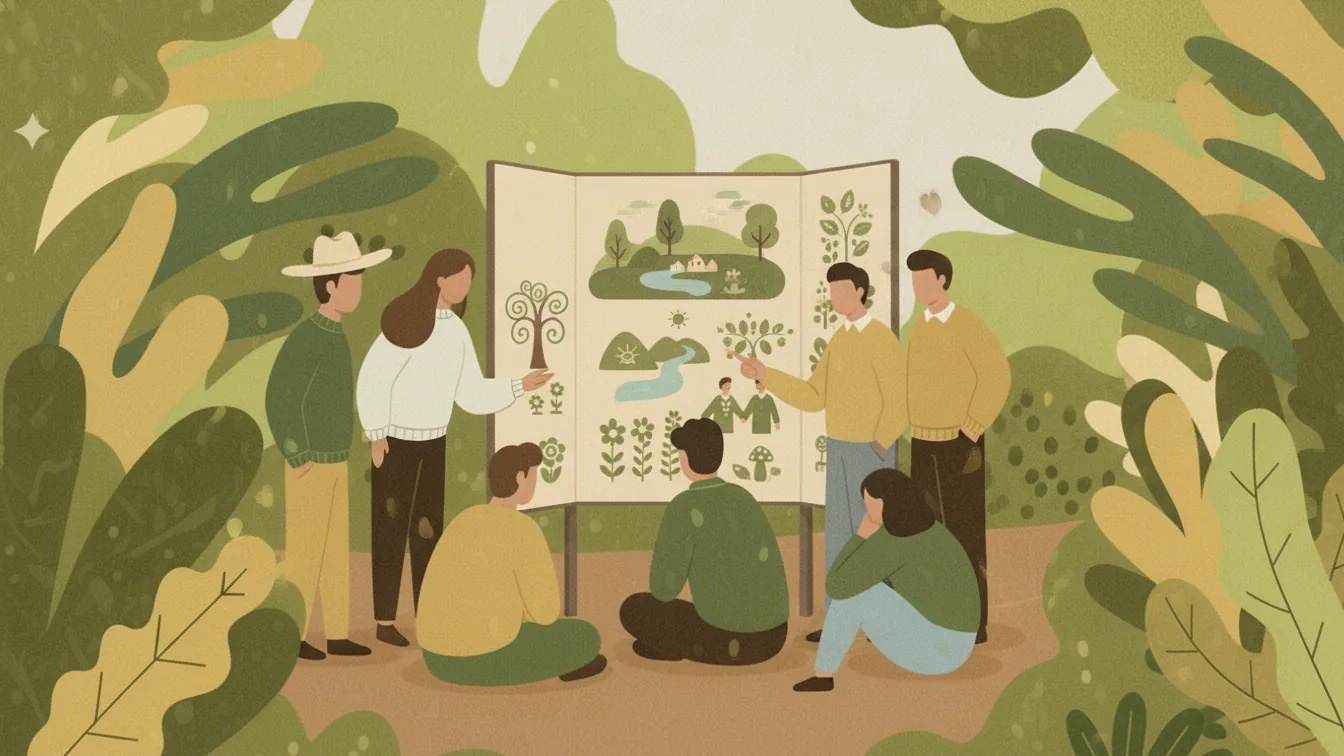
We design mental-health programs centered on the needs, culture, and preferences of people in Guatemala, and grounded in evidence.
See programsAt the Association for Mental Health, we work across three areas to generate concrete changes in the lives of people living with mental-health conditions in Guatemala. Research is our connecting thread — not a fourth area.
We work across three interconnected areas: developing mental-health programs, strengthening the capacities of those who accompany people, and advocacy for policies that protect mental health and dignity. Research sustains each of these areas.
We design mental-health programs centered on the needs, culture, and preferences of people in Guatemala, and grounded in evidence.
See programs
We accompany families, communities, institutions, and health providers so they can better support people living with mental-health conditions.
Tell us your interest
We promote public policies that advance mental health and respect the dignity of people living with mental-health conditions.
Write to collaborateResearch runs through everything we do. What makes it transversal — and not a fourth area — is that in every study three forms of knowledge come into dialogue.
Evidence, methodology, validated instruments, and dialogue with global literature.
Cosmovision, languages, traditional practices of care, midwives and Maya therapists.
The voice of people who live or have lived with mental-health conditions, and that of their families.
That dialogue across forms of knowledge is what sustains the quality, cultural relevance, and impact of every program, training, or advocacy effort. See research →
Write to us. Each area has a door — you don't need to know which one to enter.
Get in touch